Hemlock Removal in Philadelphia, PA
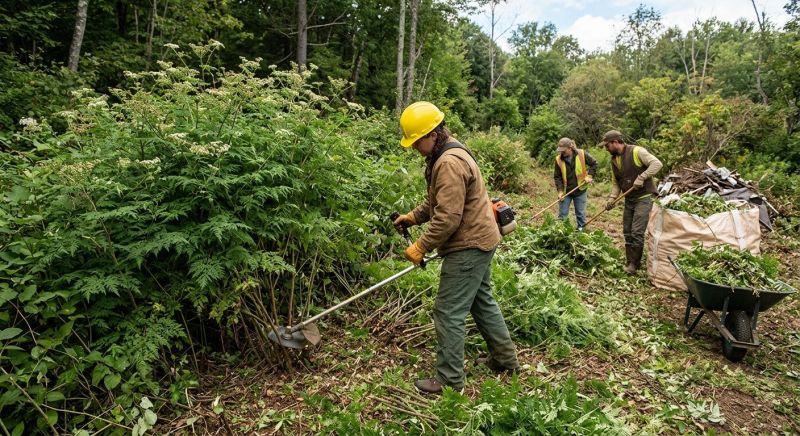
Hemlock removal services involve the safe and efficient removal of hemlock trees from residential or commercial properties. This process typically covers projects where hemlocks are diseased, damaged, invasive, or pose a safety concern due to their size or location. Property owners often request this service when they want to improve landscape aesthetics, prevent potential hazards, or eliminate trees that are affecting other plants or structures. It’s important for homeowners to understand the extent of the removal needed, the potential impact on their landscape, and any necessary follow-up planting or maintenance to ensure the health of their property.
Before requesting hemlock removal, property owners should consider factors such as the size and number of trees involved, the location of the trees relative to buildings or utilities, and any local regulations or permits that may be required. Clarifying these details can help determine the scope of the project and ensure that the removal process is conducted safely and effectively. Understanding the reasons for removal and the desired outcome can also assist in planning for future landscape management or replacement planting.
Many property owners in Philadelphia, PA look into Hemlock Removal for repairs, replacements, upgrades, and appearance-related improvements.
Reasons For Hemlock Removal
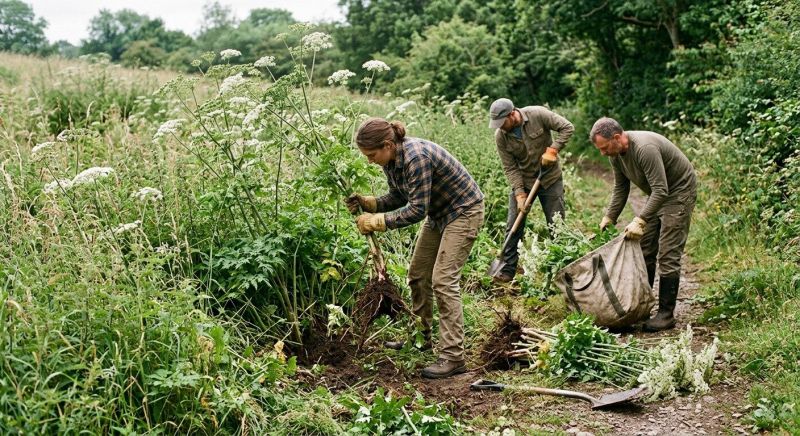
Removing hemlocks can improve safety and prevent property damage caused by falling branches.
Signs Of Hemlock Problems
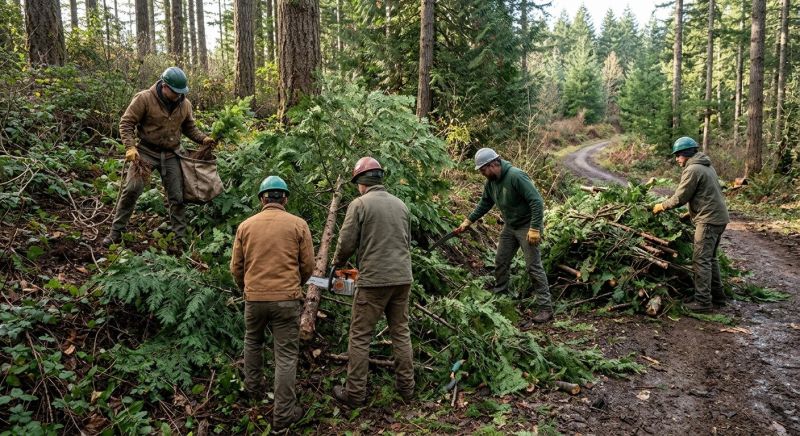
Wilting, discoloration, or dead branches may indicate that hemlocks need professional removal.
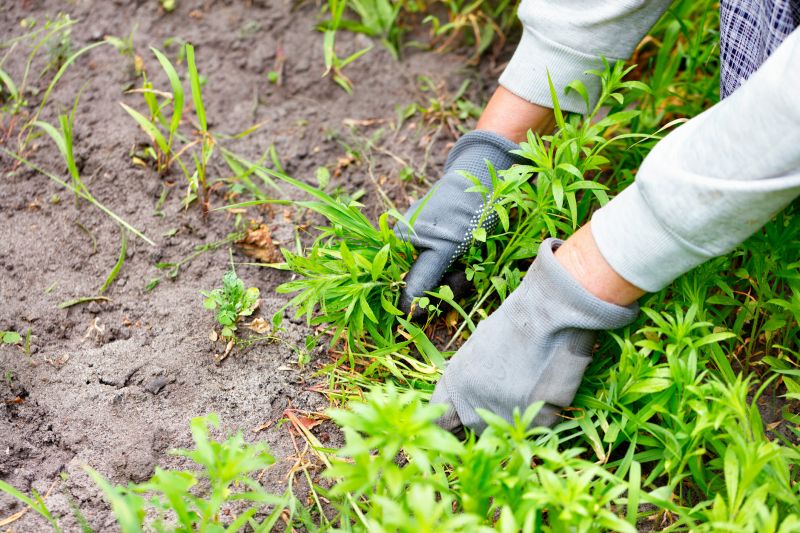
Benefits Of Hemlock Removal
Removing problematic hemlocks can enhance landscape appearance and reduce risks on residential properties in philadelphia, pa.
Hemlock Removal in Philadelphia, PA

Hemlock removal services involve the safe and efficient removal of hemlock trees from residential or commercial properties. This process typically covers projects where hemlocks are diseased, damaged, invasive, or pose a safety concern due to their size or location. Property owners often request this service when they want to improve landscape aesthetics, prevent potential hazards, or eliminate trees that are affecting other plants or structures. It’s important for homeowners to understand the extent of the removal needed, the potential impact on their landscape, and any necessary follow-up planting or maintenance to ensure the health of their property.
Before requesting hemlock removal, property owners should consider factors such as the size and number of trees involved, the location of the trees relative to buildings or utilities, and any local regulations or permits that may be required. Clarifying these details can help determine the scope of the project and ensure that the removal process is conducted safely and effectively. Understanding the reasons for removal and the desired outcome can also assist in planning for future landscape management or replacement planting.
Many property owners in Philadelphia, PA look into Hemlock Removal for repairs, replacements, upgrades, and appearance-related improvements.
Common Hemlock Removal Jobs
Hemlock Removal - Safely removes invasive hemlock trees to protect native landscapes.
Tree Removal - Eliminates hazardous or unwanted hemlocks to improve property safety.
Invasive Species Control - Targets hemlocks that threaten local plant diversity and health.
Land Clearing - Prepares land by removing overgrown hemlocks for development or landscaping.
Stump Grinding - Removes remaining tree stumps after hemlock removal for a clean yard.
Property Enhancement - Restores natural beauty and safety by removing problematic hemlocks.
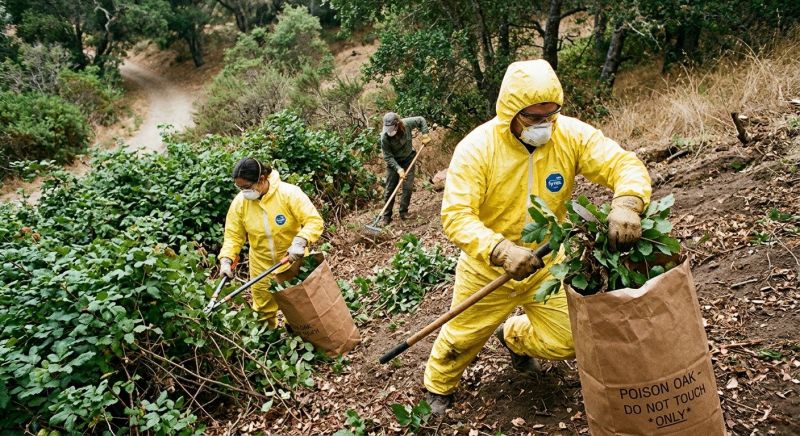
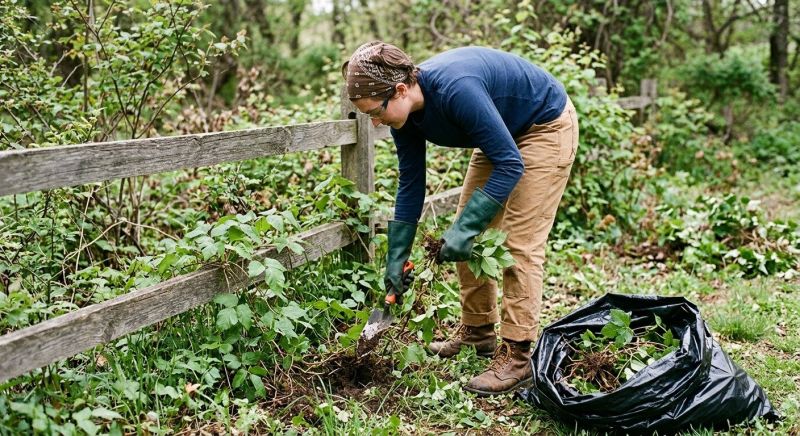
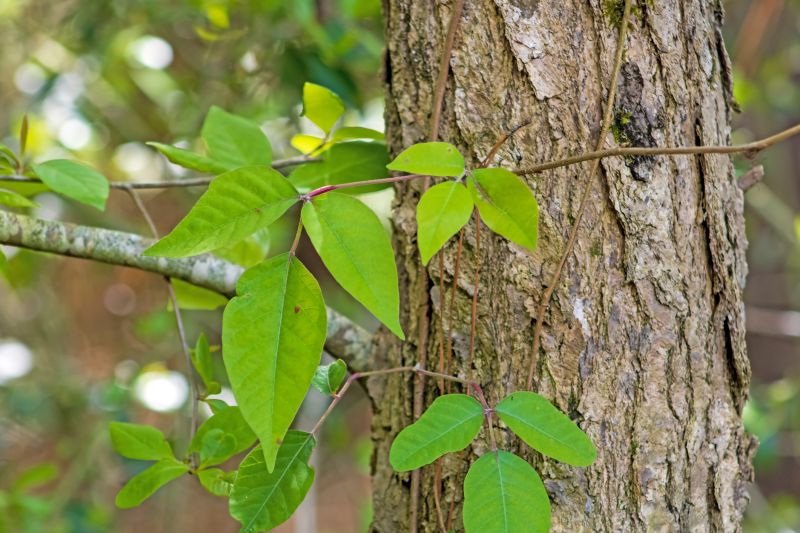
Hemlock Removal Questions
Why should Hemlock trees be removed? Hemlock trees may be removed to prevent the spread of pests and disease, or if they pose a safety risk due to instability or damage.
What signs indicate a Hemlock tree needs removal? Signs include dead or dying branches, visible decay, leaning, or damage from storms or pests.
Is Hemlock removal necessary near structures? Yes, removing Hemlocks close to buildings can reduce the risk of damage from falling branches or roots affecting foundations.
What is involved in the Hemlock removal process? The process typically includes cutting down the tree, removing debris, and safely disposing of the wood and branches.
Request Hemlock Removal in Philadelphia, PA
Use the quote form on this page to share the basics of your project and request more information for the type of work you need.